
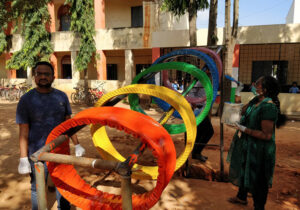
Our CSR conversations with corporates peak in February and March every year. Here is a set of curated, non-traditional ideas for CSR funding and strategy, along with some of the work Sattva is currently involved in.
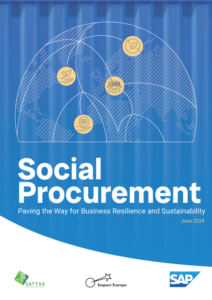
Social procurement is emerging as a significant pathway for companies to meet their sustainability goals while creating social value.
A piece analysing the response, delivery mechanisms, and the way forward, for a holistic, gender-lensed response to the COVID-19 pandemic.

India’s small and medium enterprises face several challenges in the current e-commerce landscape.
Project Sampoorna is implementing Whole Child Development (WCD) focused approaches in 2 states – Jharkhand and Telangana.
November 13, 2024 (Wednesday) | 10:30 AM – 03:00 PM | India Habitat Centre, New Delhi Join us for a day filled with inspiring discussions, interactive group sessions, and opportunities to connect with leaders aiming to advance sustainability agenda and foster meaningful discussions around environmental stewardship in the Indian e-commerce ecosystem. Here’s

Research reveals that girls initially display interest in STEM during their formative years, typically between the ages of 8 and 10.

Digital public goods (DPGs) refer to new and enhanced service delivery of public goods such as healthcare, government schemes, and public infrastructure.
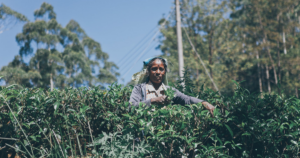
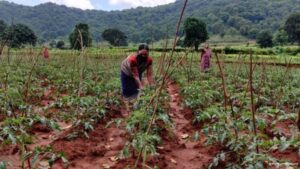
A strategic initiative centered on empowering women farmers, focusing on enhancing agricultural productivity and sustainable practices.