
Sudeepto Deb
Sudeepto leads the fund advisory and ESG practice areas, working with the existing teams both on the corporate and funds business units

Sudeepto leads the fund advisory and ESG practice areas, working with the existing teams both on the corporate and funds business units

November 13, 2024 (Wednesday) | 10:30 AM – 03:00 PM | India Habitat Centre, New Delhi Join us for a day filled with inspiring discussions, interactive group sessions, and opportunities to connect with leaders aiming to advance sustainability agenda and foster meaningful discussions around environmental stewardship in the Indian e-commerce ecosystem. Here’s

India has made notable progress in maternal healthcare over the past decade, yet significant challenges remain in ensuring quality care reaches every woman, especially in rural and underserved areas.
Share CORPORATES ESG and Sustainability Advisory With increasing stakeholder pressure, emerging regulations, and the need to future-proof businesses, corporations are looking to identify and adopt sustainable practices. There is hardly any disagreement in believing that the future for all of us has to be a low-carbon economy. To enable this
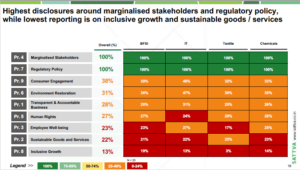
It is interesting to see an increased interest and focus on news related to ESG performance of various organisations. The trend is expected to have both direct and indirect effect on information that corporations will be required to report on/consider in their businesses.
Life at Sattva Share Life at Sattva is an exciting journey – sometimes into the boardrooms of India’s largest companies to discuss CSR and ESG strategy, sometimes into the chambers of government working on national policies and welfare schemes, and at other times into the hinterlands of the country truly

Creating meaningful change requires valuing different levels of impact. Here’s some perspective on three key anchors.

The need for Technology in AgricultureA rising global population, rapid urbanisation, and changing consumer demand are putting great pressure on food systems to meet the overall demand for food, and mitigate the environmental effects of agriculture in a sustainable manner. Technology can make agriculture more productive, efficient, sustainable, inclusive, and
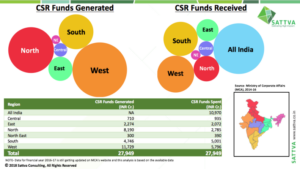
Continuing our series on region-wise analysis of CSR funds in India (you can access the previous post here),

Decoding what causes diseases requires a deeper understanding of the underlying factors or determinants which affect health. These determinants do not operate in silos and interact with other factors, cumulatively driving health outcomes. Mental health is a complex issue and, much like health, is caused by a complex interplay of